
Sep 2nd 2026
What to Check Before You Buy Electronics or Musical Instruments Online
Buying electrical & electronic products online comes down to three checks that matter more than the product photos: verified specifications, a clear return window, and a seller that stands behind what it lists. The same logic applies when you buy musical instruments & audio equipment, though the specifications you check shift toward sound quality, build materials, and included accessories rather than processor speed or battery life.
At Goods Galore Megastore, our electronics and musical instruments departments sit side by side for a reason. Both categories carry the same buying risk: it is easy to purchase based on a photo and end up with something that does not match the listing. This guide walks through what to verify before checkout in each category, and where the two overlap.
The goal is not to make online shopping feel complicated. It is to make the five minutes spent reading a listing count for more than the five minutes spent scrolling past it.
In This Guide
- Why Online Electronics and Audio Purchases Feel Riskier Than They Are
- The Trust Checklist Before You Add to Cart
- Electrical and Electronic Products: What the Specs Actually Tell You
- Musical Instruments and Audio Equipment: A Different Kind of Spec Sheet
- Shipping, Warranty, and Return Logic
- Common Buying Mistakes
- Frequently Asked Questions
Why Online Electronics and Audio Purchases Feel Riskier Than They Are
The hesitation around buying electronics and instruments online usually traces back to two things: not being able to hold the product first, and uncertainty about whether the seller will honor a return if something is wrong. Neither concern is unreasonable, but both are solvable with the same short checklist applied consistently across categories.
A keyboard, a microphone, or a set of speakers is a mechanical and electronic product with measurable specifications. Those specifications do not change depending on who is selling it. What changes is how clearly the seller discloses them, and that disclosure is the actual thing worth evaluating before checkout.
The Trust Checklist Before You Add to Cart
A short list of checks applies whether the item is a wireless mouse or a full digital piano set.
- A specific model name or number, not a vague description like "wireless keyboard" with no manufacturer detail
- Listed dimensions, weight, and power requirements where relevant, rather than a single generic photo
- A stated return and refund policy that is easy to find, not buried in a separate page
- Clear shipping timelines, especially for larger items like keyboards, speaker cabinets, or drum kits
- Product photos that match the listed model, including color and included accessories
If a listing is missing more than one of these, it is worth a second look before purchase, regardless of price.
Electrical and Electronic Products: What the Specs Actually Tell You
Electronics listings tend to bury the specifications that matter most under ones that sound impressive but do not affect daily use. A few categories are worth prioritizing.
|
Product Type |
Specs That Matter Most |
Specs That Rarely Matter |
|
Wireless keyboards & mice |
Connection type (Bluetooth vs USB receiver), battery life, key travel |
Number of color options |
|
Webcams & dash cams |
Resolution, field of view, low-light performance |
Box packaging design |
|
Speakers & audio devices |
Wattage (RMS, not peak), connectivity (Bluetooth version, AUX, USB) |
Marketing terms like "studio quality" |
|
Chargers, hubs & cables |
Output wattage, port count and type, compatibility list |
Cable color |
RMS wattage in particular is worth understanding before buying any speaker. It reflects sustained power output, while peak wattage is a short burst number that inflates the spec sheet without reflecting real-world volume or durability.
Musical Instruments and Audio Equipment: A Different Kind of Spec Sheet
Shoppers who buy musical instruments & audio equipment are usually weighing a different set of tradeoffs than electronics buyers, since sound quality and playability do not always show up in a bullet-point list.
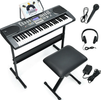
- Keyboards and digital pianos: key count (61 versus 88), whether the action is weighted or unweighted, and if a stand and bench are included
- Microphones: polar pattern (cardioid, omnidirectional, or multi-pattern), connection type (USB versus XLR), and whether a stand is included
- Speaker cabinets: RMS wattage, driver size, and whether it is a passive cabinet requiring an amplifier or a powered, all-in-one unit
- Drum kits: acoustic versus electronic, number of demo sounds or presets on electronic kits, and whether sticks are included
A starter keyboard bundled with a stand, bench, and headphones solves a different problem than a standalone 88-key hammer-action keyboard aimed at a more advanced player. Neither is better in the abstract. The right one depends on who is actually going to use it and how often.
Shipping, Warranty, and Return Logic
Larger electronics and instruments, such as keyboards, speaker cabinets, and drum kits, carry different shipping considerations than a small accessory like a USB cable or a mouse. Freight class, box dimensions, and delivery windows tend to stretch out for bulkier items, and a listing that is upfront about that timeline is generally more trustworthy than one that stays vague.
Warranty terms are worth reading in full rather than skimming. A one-year manufacturer warranty on a microphone means something different than a thirty-day return window on an open-box speaker, and conflating the two leads to frustration later if something needs to be exchanged.
Common Buying Mistakes
“Peak wattage tells you how loud a speaker will get.” In practice, RMS wattage is the more reliable number, since peak figures reflect a brief burst rather than sustained output.
“Any USB microphone works fine for streaming or recording.” Polar pattern and sample rate affect how much background noise the mic picks up, which matters more in a shared or noisy room than the brand name on the box.
“A higher price always means better build quality.” Price often reflects brand recognition and included accessories as much as core build quality, which is why comparing specs directly is more reliable than comparing price alone.
Frequently Asked Questions
What should I check first when buying electronics online?
Start with the model name or number, listed specifications, and the seller's return policy. A vague listing without a specific model is harder to compare against reviews or troubleshoot later if something goes wrong.
Is RMS or peak wattage more important for speakers?
RMS wattage. It reflects sustained power output during normal use, while peak wattage is a short burst figure that can make a speaker sound more powerful on paper than it performs in practice.
What key count should a beginner keyboard have?
A 61-key keyboard covers most beginner and intermediate practice needs and is easier to store. An 88-key model matches a full piano range, which matters more for players transitioning from or toward acoustic piano.
Do USB microphones work as well as XLR microphones?
USB microphones are simpler to set up since they skip the need for an audio interface, which suits podcasting, streaming, and home recording. XLR mics generally offer more flexibility for studio-level setups.
How long does shipping take for larger items like keyboards or speaker cabinets?
Larger items typically take longer than small accessories due to freight handling and box size. Checking the listed delivery window before checkout avoids surprises, especially around gifting timelines.
The Bottom Line on Buying Electronics and Instruments Online
Confident online buying in either category comes down to the same habit: reading the specification, not just the headline. A model number, a clear wattage figure, and a stated return policy tell you more about a product than five product photos ever will. That habit costs a few extra minutes and consistently pays for itself once the box arrives.